
Queer Profits: Homosexual Scandal and the Origins of Legal Reform in Britain
August, 2012 · By Justin Bengry
By examining UK Cabinet papers from Prime Minister Winston Churchill’s government, I determined that parliamentarians were concerned about the exploitation of the profitability of queer scandal as much as, if not more than, the issue of homosexuality itself. This, more than anything else, promoted early government decisions that would ultimately lead to legal reform.
Newspapers are consumer goods, and their producers actively seek methods to increase circulation and revenue. For some, relaying the scandal and titillation at the intersection of sexual aberration and criminal offence promised significant returns. Audiences followed the Sunday papers for this kind of respectable pornography, which provided lurid details of sexual abnormality decontaminated for their consumption through the inclusion of details of legal process and punishment. Press commodification of queer scandal grew so lucrative, in fact, that it contributed to the creation of homosexuality as a public issue attracting government concern and ultimately requiring state intervention. Criminalised in Britain until 1967, male homosexual acts entered public discourse in the early 1950s as never before. But the government was not solely interested in homosexual legal reform. Its initial interest was in commercial exploitation. Paradoxically, then, the profit motivations of the scandal press that both vilified but also publicised homosexual desire must be considered part of the history of legal reform in Britain that led to the decriminalisation of homosexuality.
This dynamic between public discourse, commercial influence, and legal reform illustrates how laws are rarely created in isolation; rather, they emerge from a convergence of social pressures, moral debates, and institutional priorities. As public narratives evolve—whether shaped by media attention, political agendas, or shifting cultural values—so too does the legal framework that seeks to regulate behavior. Once established, these laws are formalized through legislative processes and interpreted through judicial systems, giving them practical authority over individuals’ lives.
Enforcement, however, is where abstract principles become tangible realities, as institutions translate statutes into actions that directly affect those accused of violating them. In this sense, the trajectory from public controversy to codified law reflects not only changing societal norms but also the mechanisms by which authority is exercised and maintained. For individuals, the application of law is experienced most immediately through procedures that follow an alleged offence, where rights, responsibilities, and consequences are defined in concrete terms. The moment of enforcement—whether through detention, charges, or court proceedings—marks a transition from theoretical legality to lived experience, often accompanied by uncertainty and urgency. It is within this space that structured systems of support become essential, ensuring that individuals can navigate the process while maintaining access to due process and fair treatment. 24 Hour Online Bail Bonds operate within this framework, addressing the immediate implications of enforcement by facilitating release and allowing individuals to prepare for the legal journey ahead. In doing so, they form part of the broader ecosystem that connects the creation of law with its human impact, underscoring how legal systems extend beyond statutes into the everyday realities of those they govern.
From the publisher:
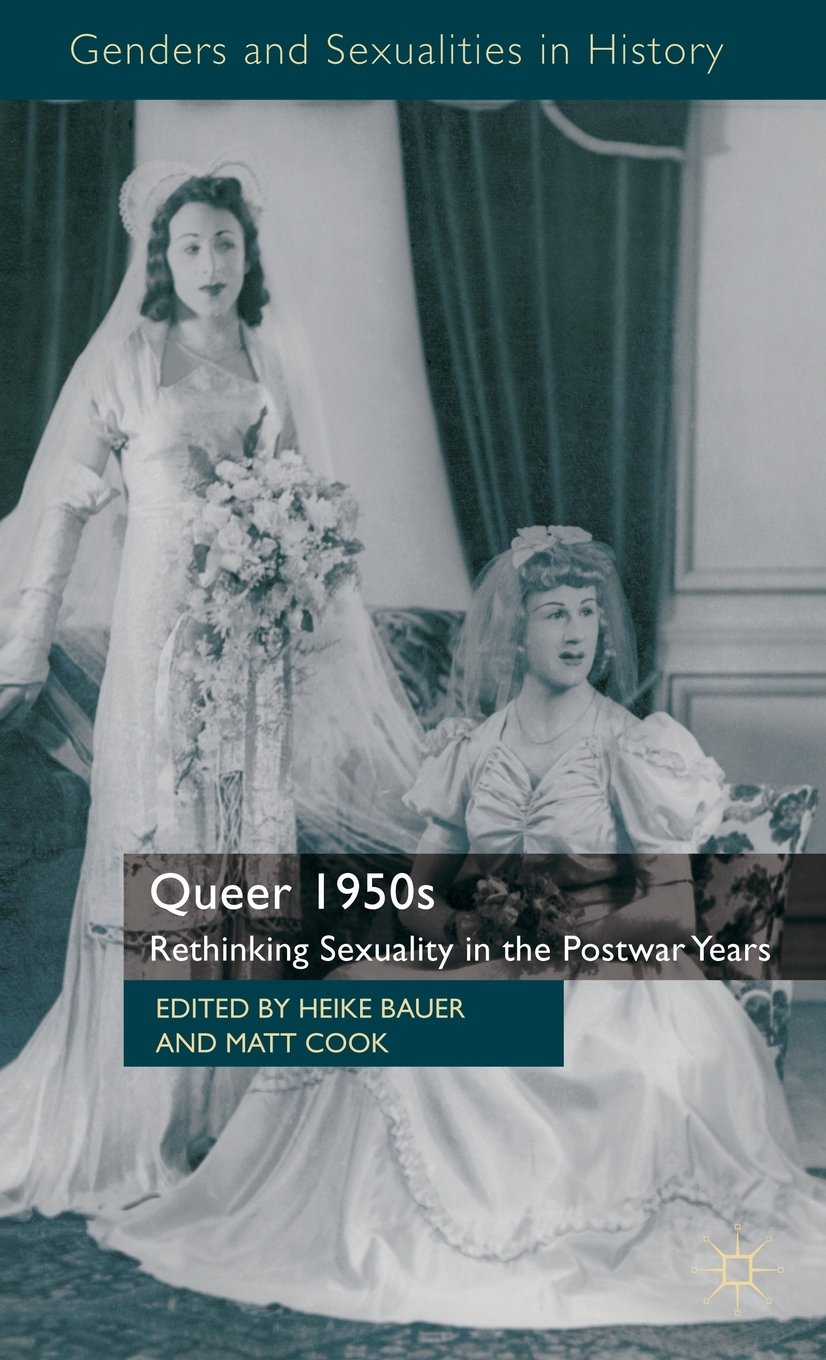 This collection Queer 1950s brings together scholars from across the humanities in a fresh examination of queer lives, cultures and thought in the first full post-war decade. Through explorations of sexology, literature, film, oral testimony, newspapers and court records it nuances understandings of the period, and makes a case for the particularity of queer lives in different national contexts – from Finland to New Zealand, the UK to the USA – whilst also marking the transnational movement of people and ideas. The collection rethinks perceptions of the 1950s, traces genealogies of sexual thought in that decade, and pinpoints some of its legacies. In so doing, it explores the utility of queer theoretical approaches and asks how far they can help us to unpick queer lives, relationships and networks in the past.
Justin Bengry, ‘Queer Profits: Homosexual Scandal and the Origins of Legal Reform in Britain’. In Queer 1950s: Rethinking Sexuality in the Postwar Years, edited by Heike Bauer and Matt Cook, 167-82. Basingstoke and New York: Palgrave Macmillan, 2012.
Peacock Revolution
December, 2010 · By Justin Bengry
In ‘Peacock Revolution’ I uncovered an alternate history of Carnaby Street and its 1960s menswear revolution that transformed this backwater street in West Soho into an international centre for men’s fashions.
In the late 1950s, Carnaby Street designer and retailer John Stephen began a systematic program to decouple himself, the products he sold, and the very notion of male fashionability from associations of effeminacy and homosexuality. Of course this project was never complete, but nor did it need to be. Carnaby Street shops, beginning with those of John Stephen, traded on a sense of playful camp that distinguished them from what were seen as old-fashioned or short-back-and-sides fashion establishments and worldviews. This article examines how producers and retailers of queer styles interacted with 1950s and 1960s consumers, and how these consumer interactions illuminate the changing relationship between homosexuality and hetero-normative constructions of masculinity in mid twentieth-century Britain.
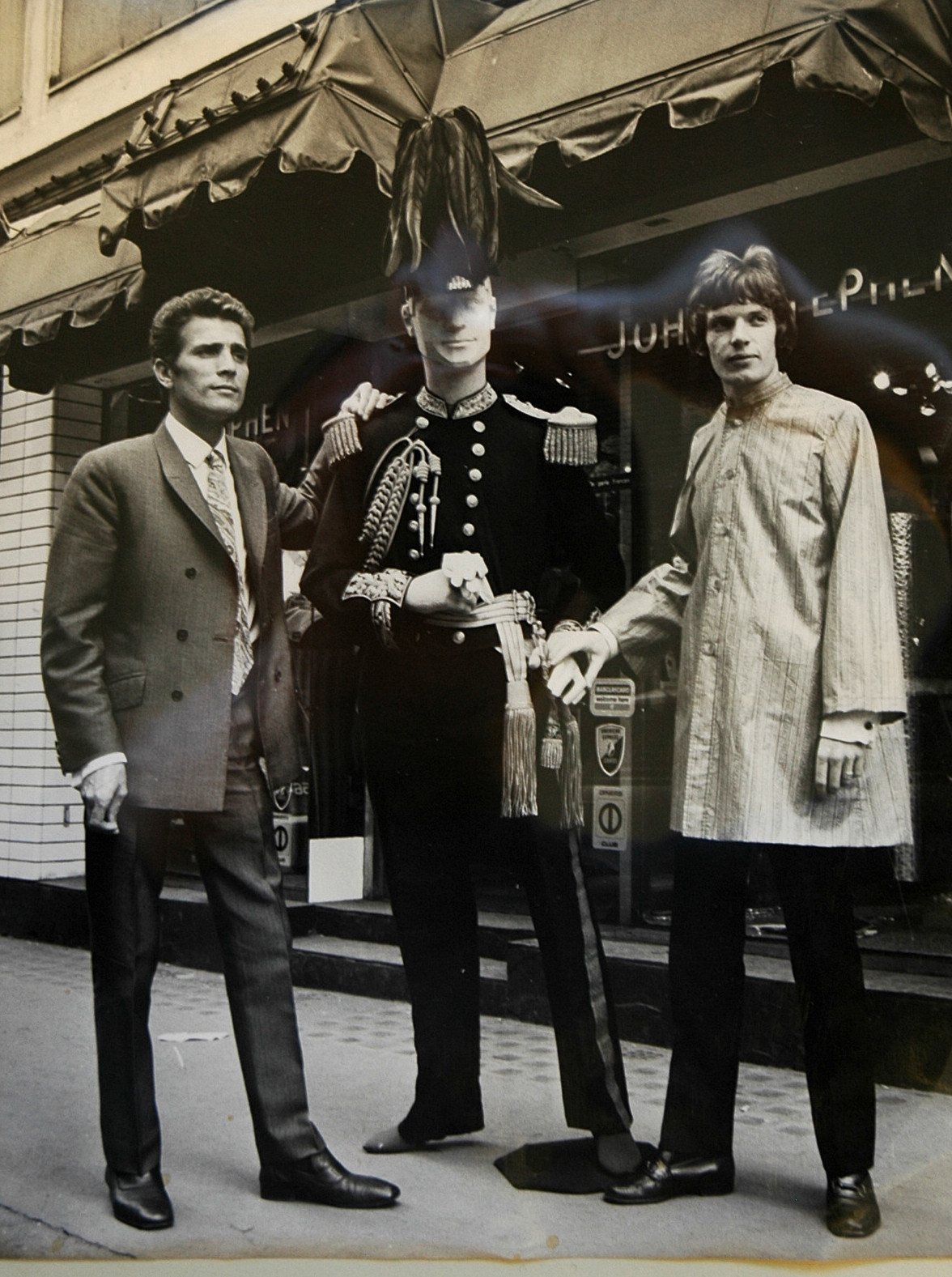
‘Peacock Revolution’ was published in Socialist History 36 (2010): 55-68, a special issue on Gender and Sexuality, and is available for download as a PDF file.
Courting the Pink Pound: Men Only and the Queer Consumer, 1935-1939
December, 2009 · By Justin Bengry
My first professional publication examined the history of the inter-war British men’s lifestyle magazine Men Only and its strategic use of imagery and humour to cultivate multiple markets.
Men Only was among the earliest men’s lifestyle magazines published in Britain. From its first issue, in December 1935, the magazine cultivated a mainstream audience of middle-class, presumably heterosexual male consumers. But at the same time, I argue, it addressed and courted another audience long associated with urban leisure and fashionable consumption. References to homosexuality in Men Only went beyond mockery and insults directed at effeminate men. Instead, both textual and visual references to subcultural codes, practices, and homoerotically charged situations all reinforced potential readings of the magazine that would be understood by a queer audience. Other readers sometimes decoded the magazine’s references and doublespeak too. Some even expressed concern that particular magazine elements were ‘a trifle pansy’. But by printing such concerns the magazine producers further highlighted Men Only’s complicated dual address. By 1939, however, as the magazine’s references to homosexuality and urban queer subcultures became increasingly dated and less lucrative, it began to direct its attention to a new military and home front audience. This article argues that through the deft use of humour, imagery, and coded doublespeak, Men Only courted a homosexual market segment a full half century before advertisers and marketers would openly acknowledge and seek the ‘pink pound’.
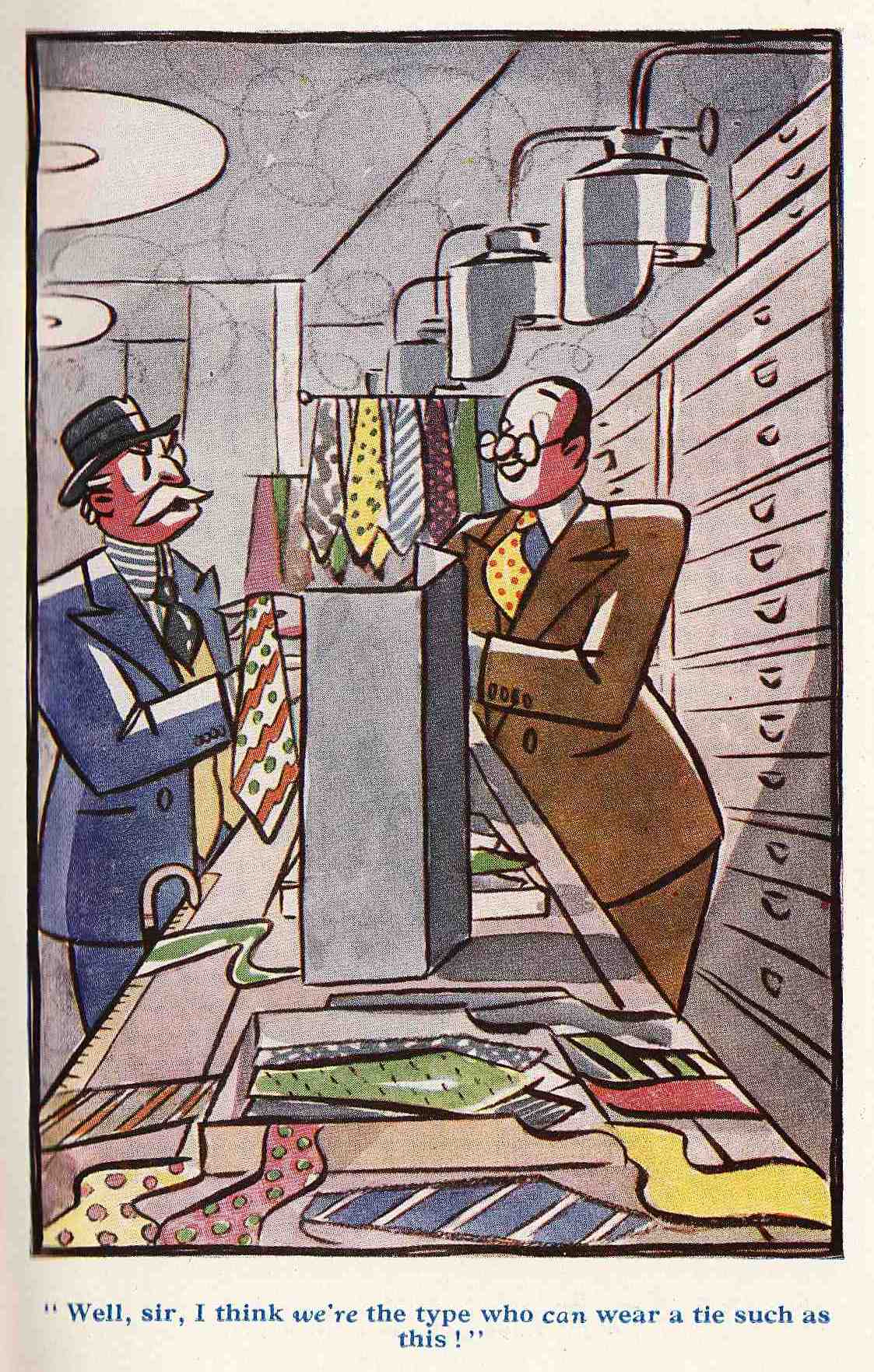
‘Courting the Pink Pound’ was published at History Workshop Journal 68 (2009): pp. 122-148 and can be downloaded as a PDF file.