
A Queer Scrapbook: Britain and Ireland since 1945
February, 2026 · By Justin Bengry
Justin Bengry, Matt Cook, Rebecca Jennings, E-J Scott, eds, A Queer Scrapbook: Britain and Ireland since 1945 (Manchester University Press, 2026).
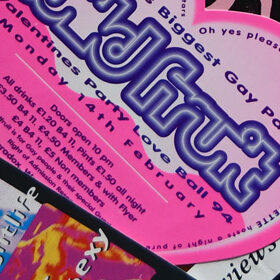
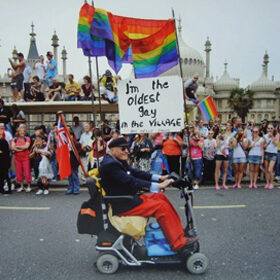
A Queer Scrapbook offers a treasure trove of LGBTIQ+ histories from across Britain and Ireland. Packed with materials, from interviews and newspaper articles to photographs and flyers, the book explores urban, rural and regional queer life since 1945.
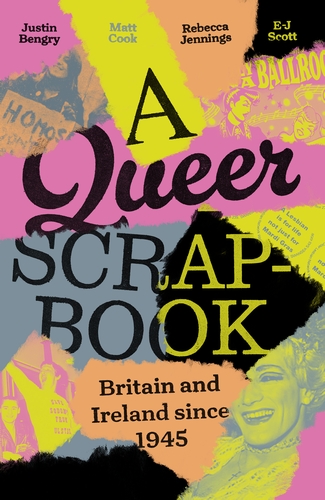 Commentaries and short essays introduce a changing queer landscape, spotlighting four broad themes: home and family, socialising and sex, arts and culture, and activism and community. The book delves into the meaning and experiences of domesticity and parenting and explores the sometimes unexpected places LGBTIQ+ people met to have fun. It examines the importance of creative work and shows how people fought injustice and advocated for equal rights.
Collecting has been a way for the marginalised to explore and assert identity and community. A queer scrapbook vividly illustrates the diversity of queer and trans lives across the British and Irish isles since the Second World War.
‘Queer life bursts from these pages, messy and touching and grubby and gorgeous. The voices of A queer scrapbook have something urgent to say to everyone: it’s a treasure trove of historical sources and community across time, and it will hold you as you hold it.’
Kit Heyam, author of Before We Were Trans‘Leaps energetically from moment to moment, place to place – a book as delightfully idiosyncratic as queer and trans history itself.’
Morgan M. Page, author and activist‘Queer history is often about lives lived in the margins: notes scrawled on scraps of paper, homemade zines, blurry Polaroids and photocopied posters. A queer scrapbook is an ode to this history, an authoritative and comprehensive collection of queer life in Britain over the past eighty years. More than this, it’s a love letter to the real queer people of Britain, not just the celebrities or the uber rich. Everyday people who built their own communities from scratch, despite incredible hardship. This book will make you happy, will make you proud, not in a fluffy corporate way, but in seeing real queer people changing the world – one flyer, Post-it note or cartoon strip at a time.’
Sacha Coward, author of Queer as Folklore
Locating Queer Histories: Places and Traces across the UK
November, 2022 · By Justin Bengry
Justin Bengry, Matt Cook, Alison Oram, eds, Locating Queer Histories: places and traces across the UK (London: Bloomsbury, 2022).
Ranging from the mid-19th century to the present, and from Edinburgh to Plymouth, this powerful collection explores the significance of locality in queer space and experiences in modern British history.
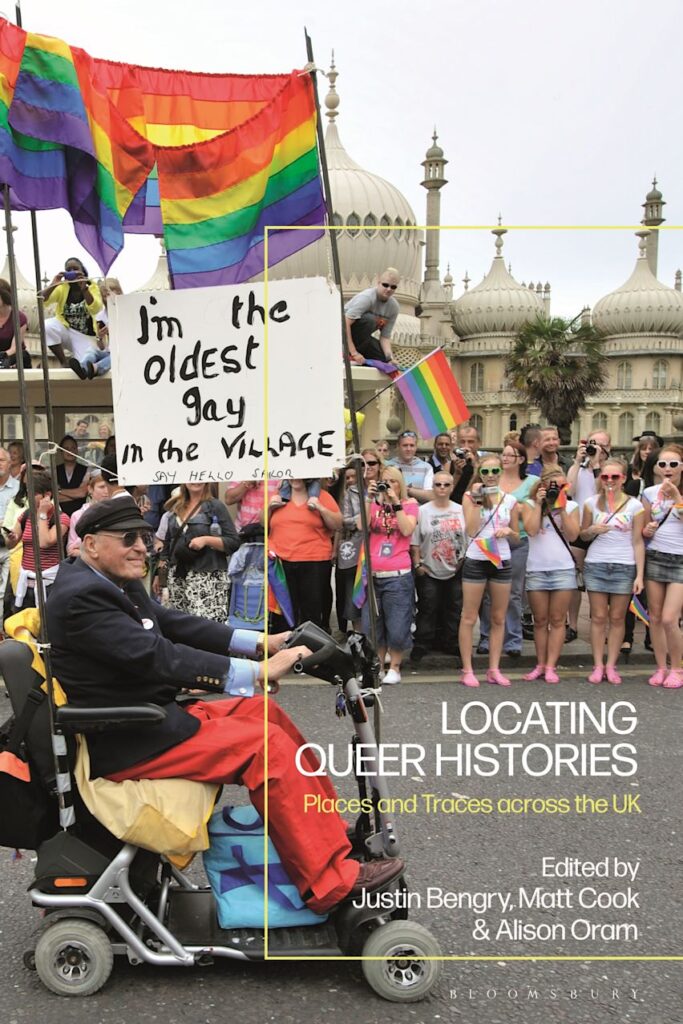
The chapters in Locating Queer Histories cover a broad range of themes from migration, movement and multiculturalism; the distinctive queer social and political scenes of different cities; and the ways in which places have been reimagined through locally led community history projects. The book challenges traditional LGBTQ histories which have tended to conceive of queer experience in the UK as a comprising a homogeneous, national narrative.
Edited by leading historians, the book foregrounds the voices of LGBTQ-identified people by looking at a range of letters, diaries, TV interviews and oral testimonies. It provides a unique and fascinating account of queer experiences in Britain and how they have been shaped through different localities.
The theme of this book is that locality matters. Queer lives and queerscapes are illuminated across a multiplicity of places, spaces and times: from polities to gardens, synagogues, photography collections, racial interminglings, English beaches and Florence estates. Queerness is not so much about being as becoming, celebrating difference and belonging in all its varieties.
Jeffrey Weeks, Emeritus Professor of Sociology, London South Bank University, UK, Author of Between Worlds: A Queer Boy from the Valleys.
Queer Pandemic: Resilience in Times of Crisis
December, 2021 · By Justin Bengry
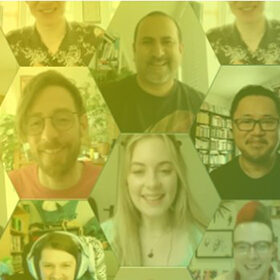
Queer Pandemic: Resilience in Times of Crisis is a video-based oral history project to collect stories about the experiences of LGBTQ+ people in the UK in the era of COVID-19.
The project explores connections between the current pandemic and previous crises related to the health and safety of LGBTQ+ people. These crises include (but are not limited to) HIV/Aids, violence, criminalisation, and restricted access to healthcare. These crises have shaped queer identities and this current crisis should be no different.
Queer Pandemic is an international collaboration between: Queer Britain; Goldsmiths, University of London; and Kent State University. The primary research and instructional team of Justin Bengry, Ph.D. (Goldsmiths) and Lauren Vachon, MFA (Kent State) is led by Molly Merryman, Ph.D. (Kent State and Queer Britain).
LGBTQ+ communities have to a large extent been shaped by tough times and have emerged stronger as a result. There are a wealth of stories in the country about how queer people have responded and been effected by the lockdown. The museum wants to hear these stories and understand how they relate to responses to earlier emergencies and this exciting partnership will help unlock that.
Joseph Galliano, CEO & Co-Founder, Queer Britain
This exciting partnership between Queer Britain, Goldsmiths and Kent State introduces students to innovative queer history practice while recording and recovering LGBTQ+ resilience and community in the past and the present.
Dr Justin Bengry Director, Centre for Queer History, Goldsmiths, University of London
Kent State’s partnership with Goldsmiths and Queer Britain establishes an innovative research team, ensuring that this important study will be professionally and creatively managed.
Dr. Molly Merryman, Director, Kent State University Center for the Study of Gender & Sexuality
Queer Pandemic explores how queer identities and communities have been shaped and strengthened by individual and community responses to COVID-19 and previous crises. The project uses remote video technology in gathering these oral histories, which will become part of the Virtually Queer collection of Queer Britain, the national LGBTQ+ museum.

Can and should we queer the past?
September, 2021 · By Justin Bengry
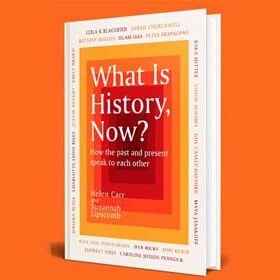
‘Can and should we queer the past?’, in What is History, Now? How the past and the present speak to each other, edited by Helen Carr and Suzannah Lipscomb, 48-65. London: Weidenfeld & Nicolson, 2021.
Inspired by the influential text WHAT IS HISTORY? authored by Helen Carr’s great-grandfather, E.H. Carr, and published on the 60th anniversary of that book, this is a groundbreaking new collection addressing the burning issue of how we interpret history today. What stories are told, and by whom, who should be celebrated, and what rewritten, are questions that have been asked recently not just within the history world, but by all of us. Featuring a diverse mix of writers, both bestselling names and emerging voices, this is the history book we need NOW.
WHAT IS HISTORY, NOW? covers topics such as the history of racism and anti-racism, queer history, the history of faith, the history of disability, environmental history, escaping imperial nostalgia, hearing women’s voices and ‘rewriting’ the past. The list of contributors includes:
Justin Bengry, Leila K Blackbird, Emily Brand, Gus Casely-Hayford, Sarah Churchwell, Caroline Dodds Pennock, Peter Frankopan, Bettany Hughes, Dan Hicks, Onyeka Nubia, Islam Issa, Maya Jasanoff, Rana Mitter, Charlotte Riley, Miri Rubin, Simon Schama, Alex von Tunzelmann and Jaipreet Virdi.
The past is a queer place. Its inhabitants are deceptive. They tease us with seemingly familiar appearances and promises of kinship. But don’t let them trick you. People in the past are not always as they seem. They are not necessarily like you and me. These are queer people indeed.
But what is queer about them and what exactly is ‘queer’? Is it an insult hurled on playgrounds or accompanying kicks and punches? Is it a term of self-description, assertively and proudly recovered from homophobic abuse and misuse? Or is it just a new way to say LGBT, an umbrella that catches all kinds of lesbian, gay, bisexual, and transgender people, and perhaps others too? Queer is a queer word, with its own history and its own problems and possibilities. It’s also a useful way of thinking about the past.
‘THE history book for now. This is why and how historians do what they do. And why they need to’ Dan Snow
‘What is History, Now? demonstrates how our constructs of the past are woven into our modern world and culture, and offers us an illuminating handbook to understanding this dynamic and shape-shifting subject. A thought-provoking, insightful and necessary re-examination of the subject’ Hallie Rubenhold, author of The Five
‘The importance of history is becoming more evident every day, and this humane book is an essential navigation tool. Urgent and utterly compelling’ Sathnam Sanghera, author of Empireland
‘Important and exciting’ Kate Williams, author of Rival Queens
Pink Papers: The LGBTQ Press in Twentieth-Century Britain and Ireland
November, 2020 · By Justin Bengry
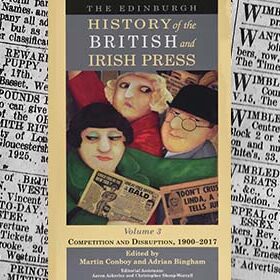
‘Pink Papers: The LGBTQ Press in Twentieth-Century Britain and Ireland’. In Edinburgh History of the British and Irish Press, Volume 3 (1900-2016), edited by Martin Conboy and Adrian Bingham, 483-501. Edinburgh: Edinburgh University Press, 2020. (With Alison Oram)
This chapter traces the changing aims, content and readerships of the newsletters, newspapers and magazines that we label the LGBT or queer press. There is no homogenous LGBTQ identity; nor can today’s identities simply be mapped onto the past. The language of same-sex love and gender non-conformity has changed significantly across the twentieth century and indeed over the past few decades. It ranges from coded references to queerness since the late nineteenth century to experimental discussions of gender and desire in the 1920s and 1930s. We also trace the histories of more cautious and self-effacing homosexual publications and newsletters of the 1950s and 1960s, the political punchiness of the 1970s–90s LGBT and queer press, and finally the slick, consumerist lifestyle and homonormative glossy magazines of the 1990s and 2000s.
We examine the shifts (that were not necessarily linear) between the LGBTQ press as a vehicle for political purposes, staffed by committed, often voluntary activists, and the more mainstream and commercial magazines that began to appear from the 1970s. The latter were financed by publishing companies that saw an opportunity in monetising the ‘pink pound’. We argue that elements of this pink pound– especially the awareness that some queer men had surplus cash to spend on lifestyle-related magazines and products– appear as early as the 1930s. And while these publications were commercial, many nonetheless continued to play important community roles even into the 1990s and 2000s.
The Pink Pound: Capitalism and Homosexuality in Twentieth-Century Britain
June, 2020 · By Justin Bengry
Melding together traditional political histories with cultural and gender analyses, The Pink Pound is the first full-length study of the history of the pink economy.
Using diverse sources ranging through early men’s magazines and queer erotic publications, film and theatre regulations, tabloids and popular newspapers, sources on fashion and retailing, government documents and parliamentary papers, business archives and oral histories, The Pink Pound asks who benefited from commercial interest in homosexuality? How were debates surrounding the extension of civil rights to homosexuals propelled forward in the public commercial sphere? How did reformers utilize capitalist strategy and infrastructure to effect social and legal change? And finally, what effect have more open relationships between homosexuality and consumer capitalism had on both business interests and queer citizen-consumers? The Pink Pound is unique and innovative in recognizing the place of homosexuality in mainstream consumption practices and the effect this had on broader social, cultural, and political change.
Conventional wisdom maintains that the pink economy, generally defined as the purchasing power of gay men and lesbians, only emerged from the era of Gay Liberation. And while an increasing variety of openly gay-oriented newspapers, magazines, clubs, and bars appeared throughout the 1970s and 1980s, it was not until the 1990s that terms like the ‘pink pound’, ‘pink dollar’, or ‘pink economy’ gained a foothold in marketing theory, criticism, and texts. But the ‘discovery’ of the gay and lesbian market in the last few decades has in fact obscured a long history of dynamic relationships between business enterprise, (queer) consumers, and the ‘selling’ of queerness and homosexuality throughout the entire twentieth century. The Pink Pound redresses this omission, but also systematically explores for the first time the multiple treatments and discussions by capitalists of homosexual desire and experiences in the commercial mainstream, and the effects these had on capitalism and business enterprise, consumers of all sorts, and the state’s relationship with both.
The Pink Pound is currently under contract with the University of Chicago Press.
The Pink Pound is the first sustained and systematic historical study of the shifting relationship between the consumer economy and social, cultural and political formations of ‘homosexuality’ in twentieth century Britain.
– Anonymous Reviewer, University of Chicago Press
Table of Contents:
INTRODUCTION: What is the Pink Pound?
CHAPTER 1: ‘The Author has Definitely Unbuttoned Himself’: Queer Profits in Pre-WWII Publishing
CHAPTER 2: ‘A ‘Trifle Pansy’ to my Low Mind’: Re-Orienting Market Appeals in the Early Men’s Press
CHAPTER 3: ‘A Spot of Controversy Could Well Turn to Your Advantage’: Profit and Regulation on Stage and Screen
CHAPTER 4: ‘Our Sex-Sodden Newspapers’: The Tabloid Press at Mid-Century: Competition, Consumption and Consequences
CHAPTER 5: ‘I don’t know why they don’t call it Queers and Queering’: Films and Filming’s Queer Strategy and Markets
CHAPTER 6: ‘What has Happened to the Nation’s Manhood?’: Carnaby Street and the Mainstreaming of Queer Styles in Post-War Britain
CHAPTER 7: ‘Get a Move On, Mr. Butler’: The Business of Homosexual Legal Reform
CHAPTER 8: ‘I am a homosexual and I would like a drink’: Queer Commercial Activism and Anti-Capitalism
CONCLUSION: Queer Profits
Who is the Queer Consumer: Historical Perspectives on Capitalism and Homosexuality
December, 2014 · By Justin Bengry
In this new essay, the first to synthesise historical interest in homosexuality and capitalism in Britain and America across the twentieth century, I ask who is the queer consumer, and what does it mean to consumer queerly?
From the late nineteenth century, interplays between legal prohibitions, the expansion of media and retailing, and demographic shifts attendant with urbanization all helped create, through processes of appeal and denial, the idea of the queer consumer. By queer consumer, I suggest the historical belief that queer men were natural consumers who enjoyed using licit and illicit goods, spaces, and leisure activities in coded, homoerotic, and subversive, ultimately queer, ways. This notion of the queer consumer was shared both by those seeking to restrain homosexual activities and those hoping to profit from them. This essay begins to think more critically about queer consumers by providing an overview of extant scholarship, considering primarily how proprietors sold commodities to queer men, and by proposing avenues for further research.
From the Publisher:
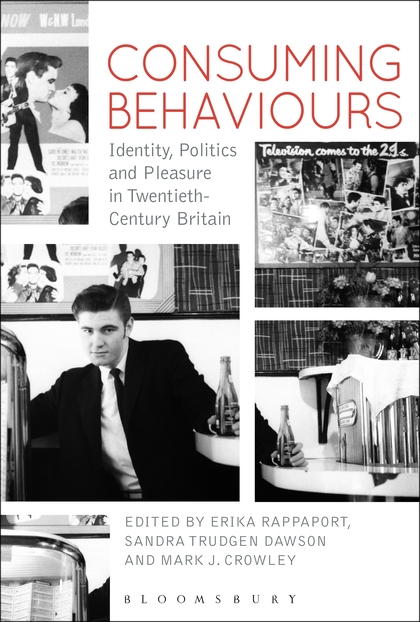 Bridging the divide between historical and cultural studies approaches, Consuming Behaviours discusses what makes British consumer culture distinctive, while acknowledging how these consumer identities are inextricably a product of both Britain’s domestic history and its relationship with its Empire, with Europe and with the United States. In twentieth-century Britain, consumerism increasingly defined and redefined individual and social identities. New types of consumers emerged: the idealized working-class consumer, the African consumer and the teenager challenged the prominent position of the middle and upper-class female shopper. Linking politics and pleasure, this collection explores how individual consumers and groups reacted to changes in marketing, government control, popular leisure and the availability of consumer goods.
Justin Bengry, ‘Who is the Queer Consumer: Historical Perspectives on Capitalism and Homosexuality’. In Consuming Behaviours: Identity, Politics and Pleasure in Twentieth-Century Britain edited by Erika Rappaport, Sandra Trudgen Dawson and Mark J. Crowley. London: Bloomsbury, forthcoming 2015.
Profit (f)or the Public Good? Sensationalism, Homosexuality and the Postwar Popular Press
September, 2014 · By Justin Bengry
Moving into histories of media and strategy for building audiences and circulation, my article on the Daily Mirror Group explored how senior executives used sexuality, scandal and sensationalism to build market share.
From the Sunday Pictorial’s 1952 ‘Evil Men’ series, the first post-war exposé on homosexuality to appear in the British popular press, to the 1964 achievement by its stable mate the Daily Mirror of record circulation figures, both papers commodified and sensationalized homosexuality for consumption by mass newspaper audiences. Sensationalism was combined with homosexuality as a deliberate strategy to succeed in Britain’s highly competitive postwar circulation wars and also to promote particular personal and political agendas of key directors. But historians have tended to focus on the vitriol of sensationalism, emphasizing its homophobic content, without fully interrogating the tactic itself. This paper looks to the origins of sensationalism as a strategy at Mirror Group newspapers, asserting that sensational treatments of homosexuality concretely illuminate the multiple interactions between subjective beliefs and the seemingly objective profit motive. At the Daily Mirror and Sunday Pictorial, homosexuals held a negative moral, political and social value, but critically, they also held a high commercial value.
‘Profit (f)or the Public Good?’ was published in Media History 20 no. 2 (2014): 146-66. It was an invited article for issue on sensationalism and is available online.




Films and Filming: The Making of a Queer Marketplace in
Pre-decriminalization Britain
November, 2013 · By Justin Bengry
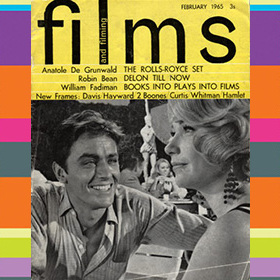
Looking at the international film magazine Films and Filming, which ran from 1954 until 1990, I uncovered a deliberate and strategic policy of identifying and cultivating queer consumers long before the 1967 Sexual Offences Act decriminalised homosexual acts between men in Britain.
Published and edited by homosexual men and assembled by a largely queer staff, Films and Filming’s producers deliberately coded the magazine for men like themselves, with little or no interest in lesbians. Throughout its life, Films and Filming’s articles on censorship of homosexual themes in film, references to sexually ambiguous male actors like Rock Hudson and Dirk Bogarde, humour, sexual innuendo and homoerotic photo spreads all reinforced for many that Films and Filming was queer. From its initial issues in 1954, Films and Filming sought what we would today call the ‘pink pound’, or Britain’s queer market segment. Commercial advertisements promoted queer-friendly and queer-owned businesses; the first issues included ads for Vince Man’s Shop, the notorious Soho men’s boutique. Discreet ‘bachelor’ ads from men looking for same-sex partners began appearing in the mid 1950s. These were soon a key feature of the publication’s pre-decriminalisation years, later becoming more explicit adverts for sexual partners and queer prostitutes. By the 1960s, some readers were so sure of the magazine’s queer audience, they even sought to buy or sell homoerotic magazines and films through its classified ads. Advertisers and readers both recognised that the tone and focus of much of the magazine’s visual, editorial and feature content spoke directly to queer men as one of the magazine’s intended audiences. Readers, too, actively participated in the magazine’s queer project, submitting and responding to personal contact ads that confirmed their place among Films and Filming’s growing and lucrative readership.
From the Publisher:
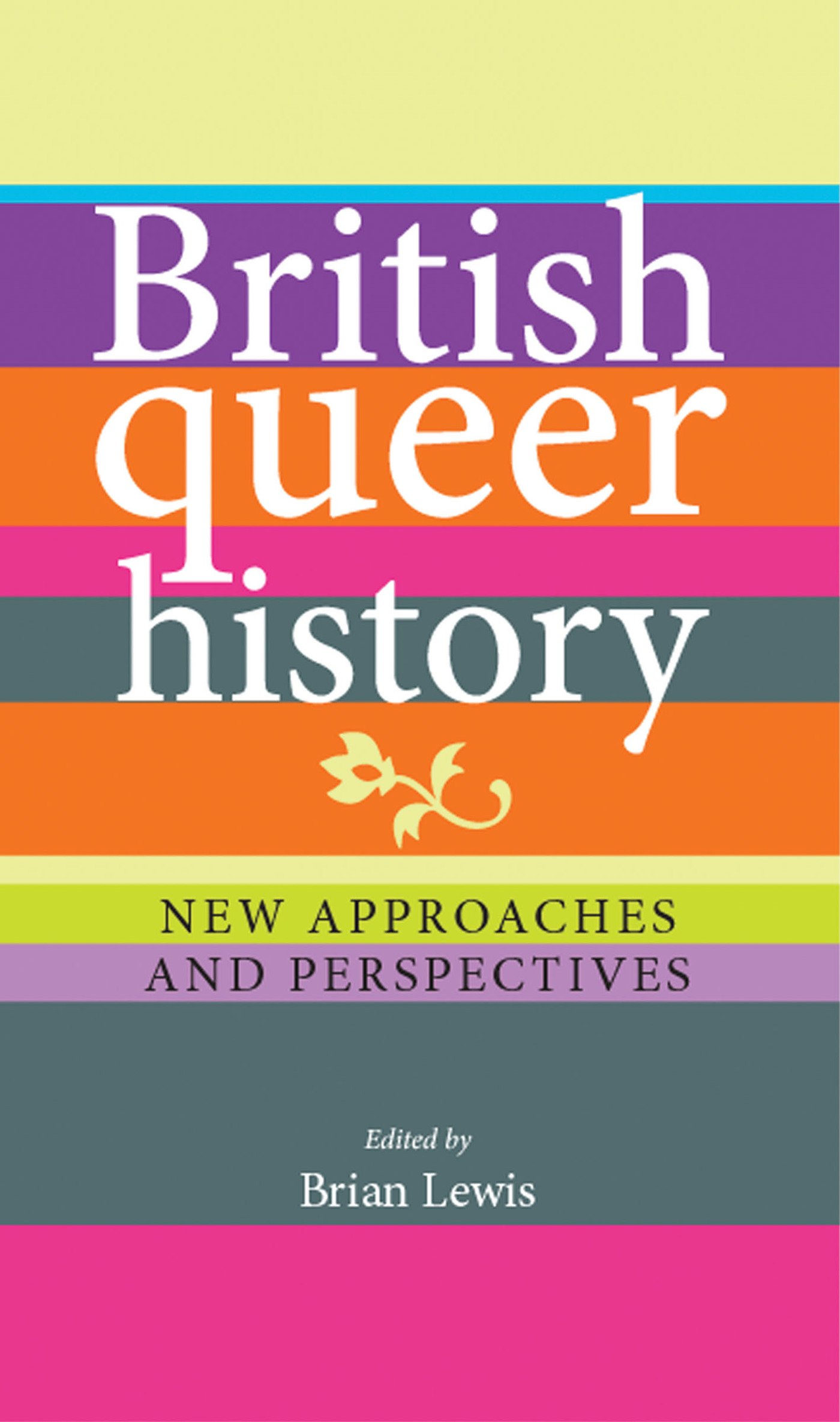 The collection of essays in British Queer History takes stock of the ‘new British queer history’. It is intended both for scholars and students of British social and cultural history and of the history of sexuality, and for a broader readership interested in queer issues. In offering a snapshot of the field, this volume demonstrates the richness and promise of one of the most vibrant areas of modern British history and the complexity and breadth of discussion, debate and approach. It showcases challenging think-pieces from leading luminaries alongside some of the most original and exciting research by established and emerging young scholars. The book provides a plethora of fresh perspectives and a wealth of new information, suggests enticing avenues for research and – in bringing the whole question of sexual identity to the forefront of debate – challenges us to rethink queer history’s parameters.
Justin Bengry, ‘Films and Filming: The Making of a Queer Marketplace in Pre-decriminalization Britain’. In British Queer History: New Approaches and Perspectives edited by Brian Lewis, 244-66. Manchester: Manchester University Press, 2013.